
Another Ferruginous Hawk Nest With Chicks
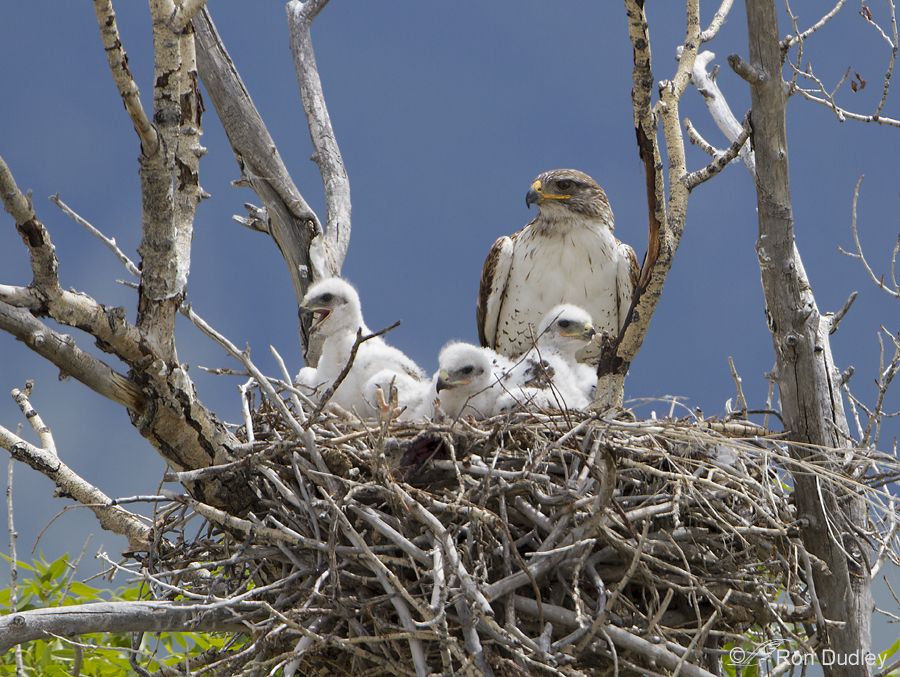
Last week I posted images of a Ferruginous Hawk nest with chicks in Montana. I actually photographed two of them. These chicks were slightly older than those in my first post.

Last week I posted images of a Ferruginous Hawk nest with chicks in Montana. I actually photographed two of them. These chicks were slightly older than those in my first post.
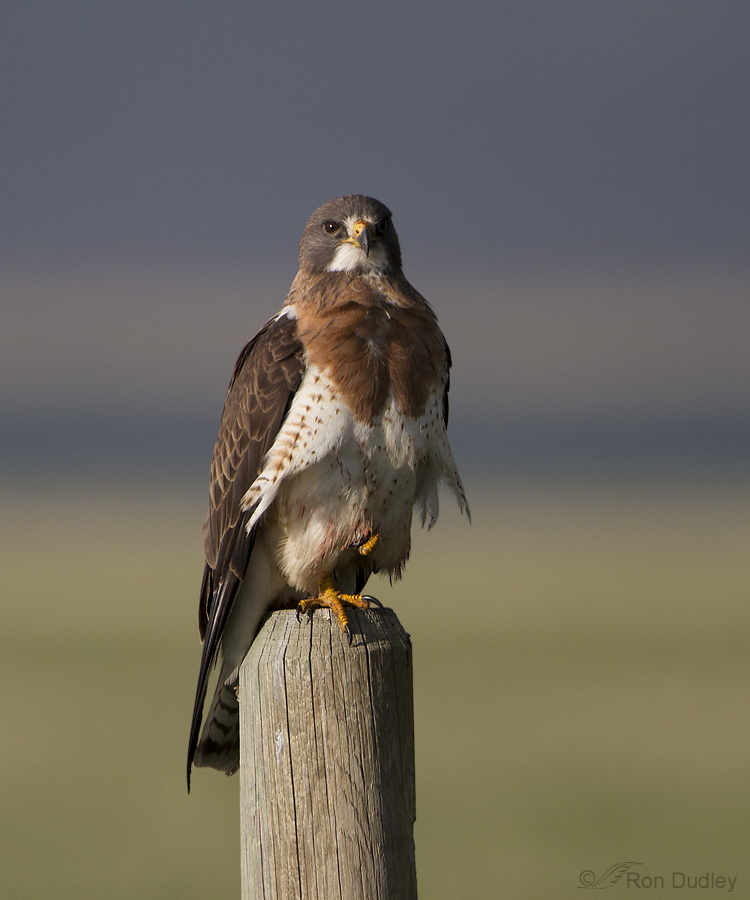
On the evening of our last full day in Montana we spotted a couple of Swainson’s Hawks engaging in a playful dogfight down the road in front of us. As we got closer they hopscotched from post to post but allowed me to get fairly close for a few minutes.
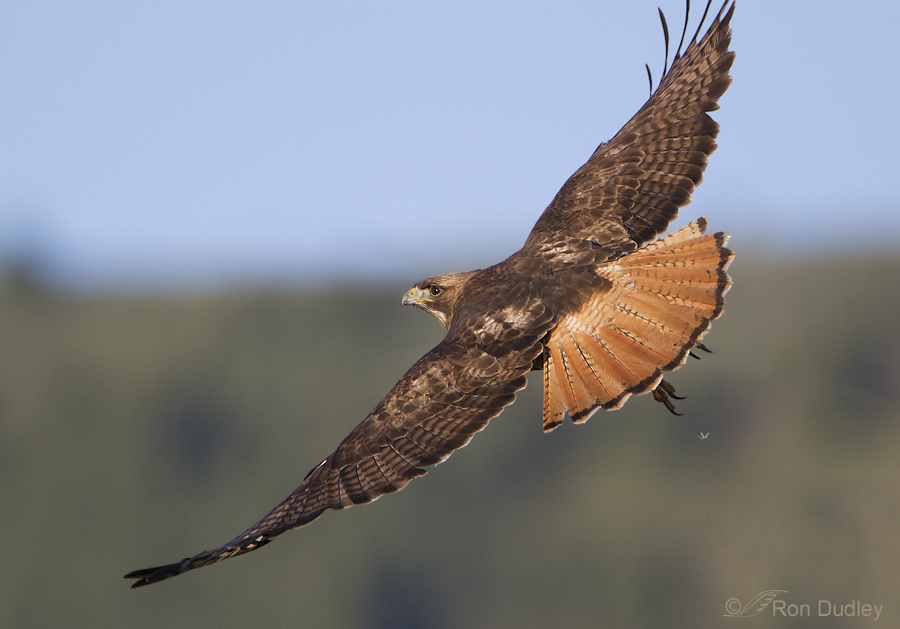
This Red-tailed Hawk image from last week in Montana is an example of what I’m nearly always hoping to get when I’m on a perched raptor while it’s facing away from me and about to take off. 99+% of the time all you’ll get is a butt shot but if you’re extremely (and I do mean extremely) lucky you’ll get a nice look back from the bird as it banks, a widely flared and beautiful tail, good light on the entire dorsal surface, light in the eye and maybe even something interesting in the background other than featureless sky. And this time there was the bonus of a small falling feather below the left foot (something I like but others may find distracting).
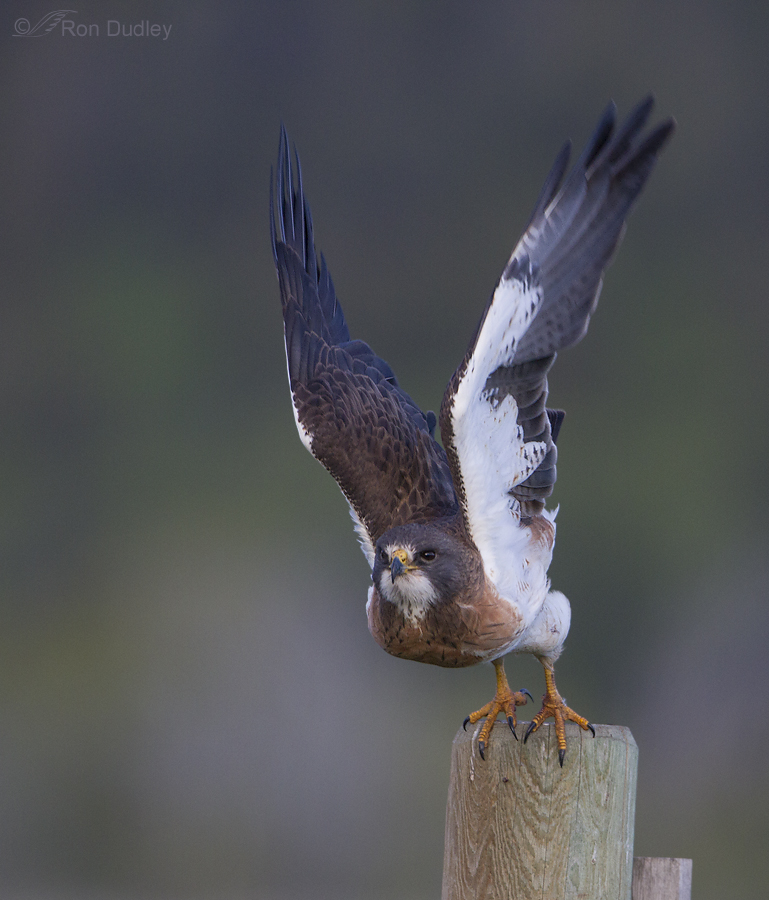
Mia and I often joke with each other that we’d make terrible landscape photographers because we’d be bored by all the waiting around for ideal conditions such as dramatic clouds and perfect light. We much prefer the excitement, unpredictability and the occasional and unexpected delights of bird photography. This Swainson’s Hawk was one of those nice surprises.
At the end of one of those very long, rough and dusty drives we came upon this Ferruginous Hawk on a nest. We’d spotted the nest on a previous day but could only see the top of the bird’s head as it hunkered down so at the time we didn’t know what species the occupant was.
Anyone who follows my blog knows that I observe and photograph kestrels often but I’ve never before seen one with snake prey. In my experience it’s always been voles, mice, small birds or (less often) insects. When we first noticed this bird it already had the snake on this bush perch.
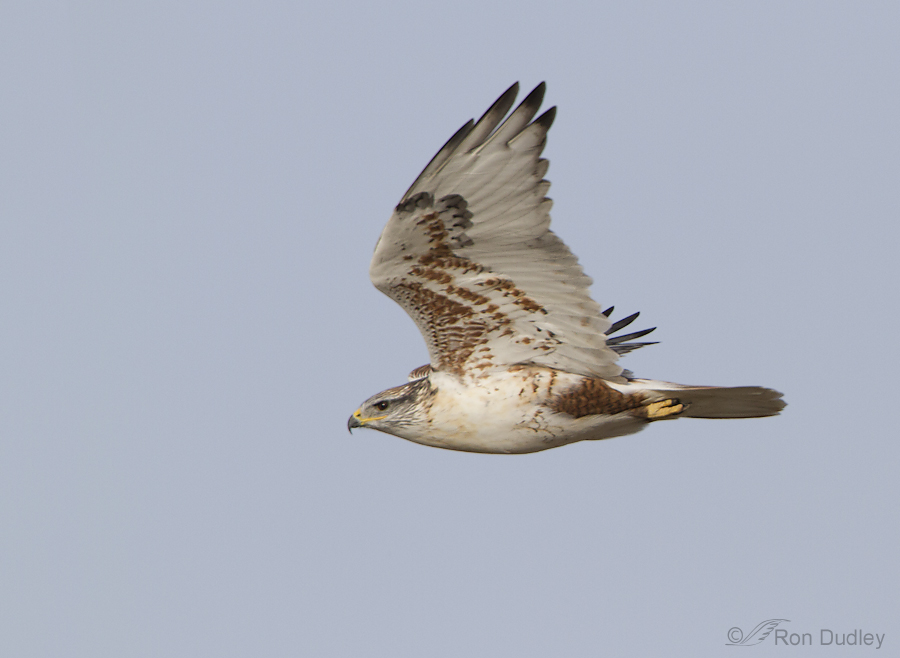
The Ferruginous Hawk has been called “the largest, most powerful, and grandest of our buteos, a truly regal bird” – an assessment I fully agree with.
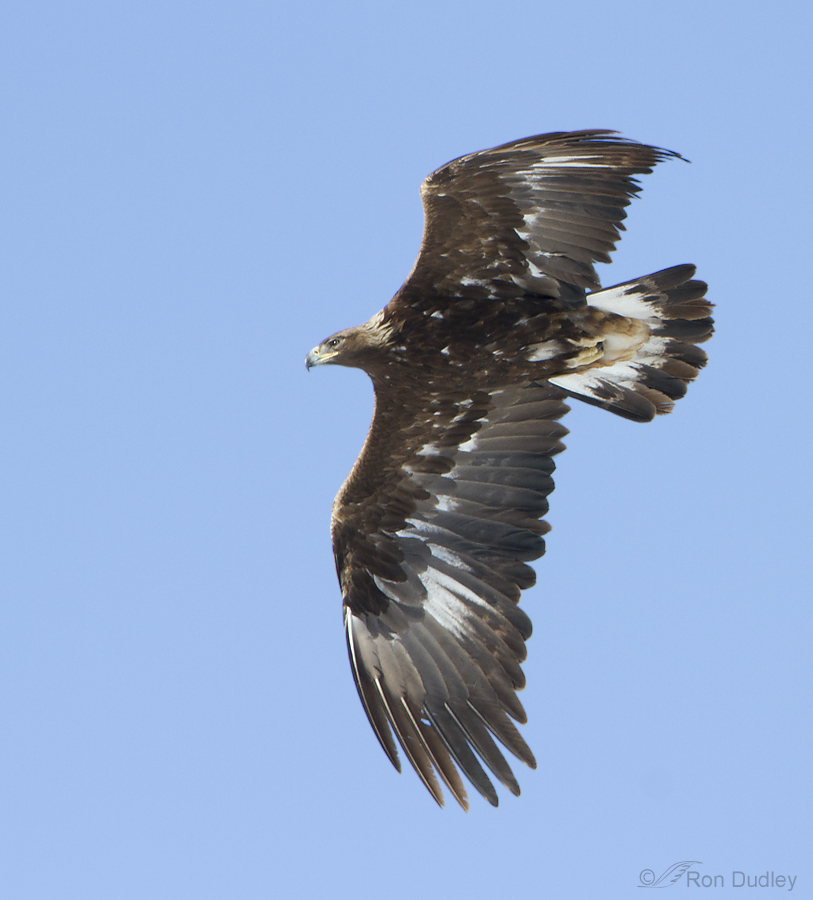
The Golden Eagle has long been a nemesis species for me. Over the years I’ve had a handful of potentially spectacular opportunities with these birds but something has always gone wrong.
The sturdy, broad-winged buteos tend to be large raptors with correspondingly slower movements than most smaller birds. Most of the time when I’m watching them they’re hunting from an elevated perch or soaring overhead and in neither situation do they typically demonstrate much quickness or agility.
But they can put on quite the show when they need to.
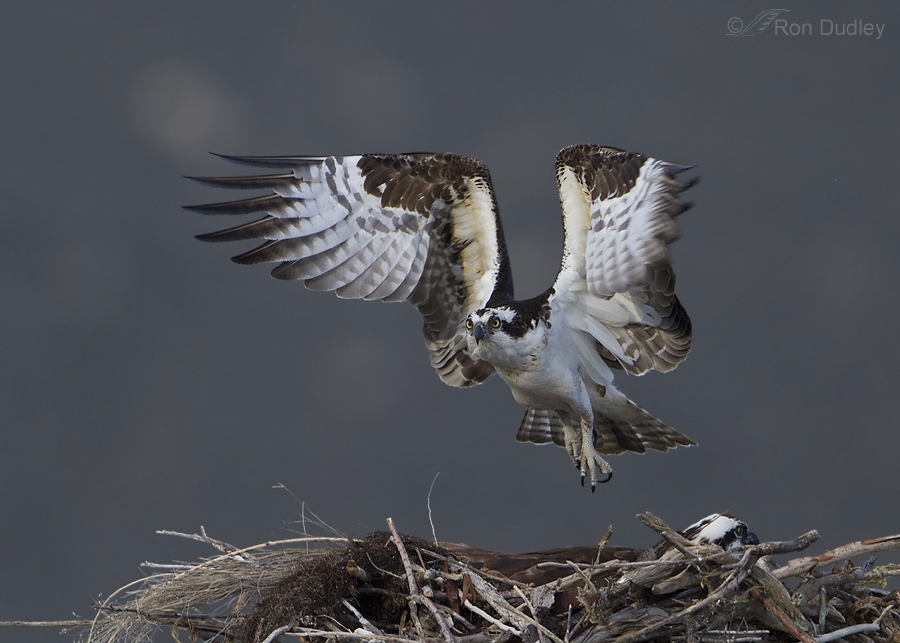
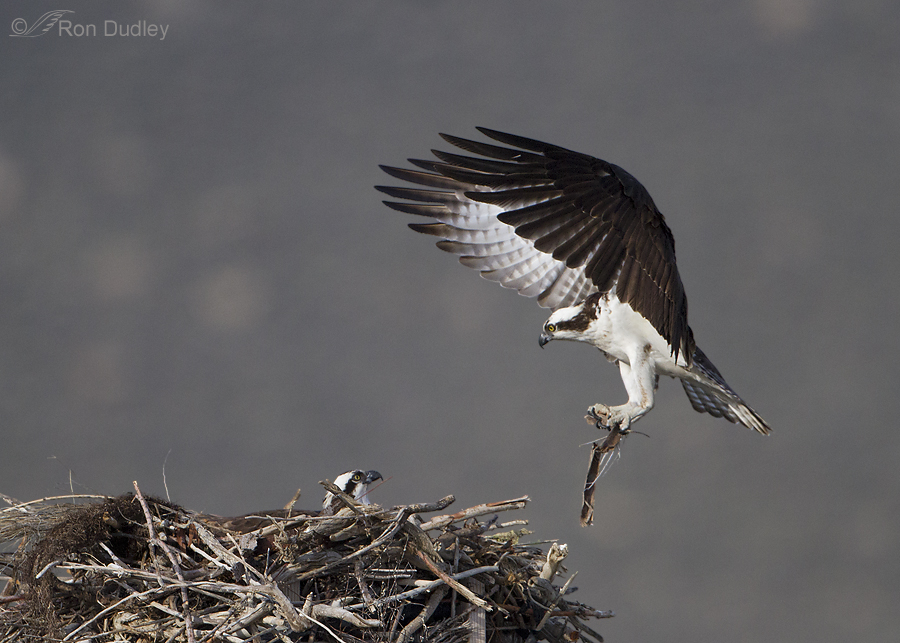
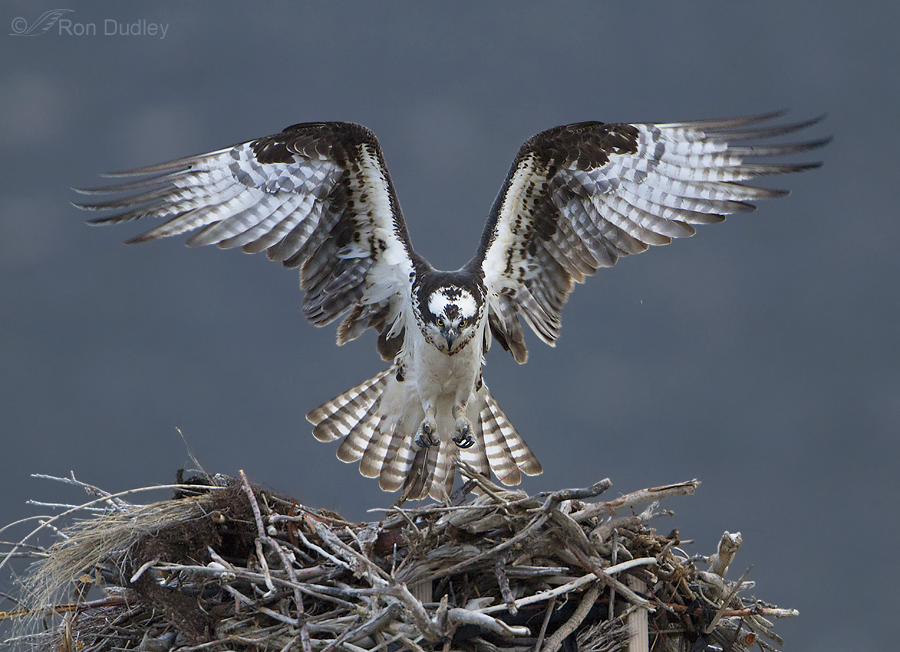
This is the nesting pair of Ospreys I photographed at Flaming Gorge, Utah two weeks ago today. The male was coming in for a landing to relieve the female on the eggs. The dark background was a deeply shaded mountain to contrast the bird that had a little more light on it.
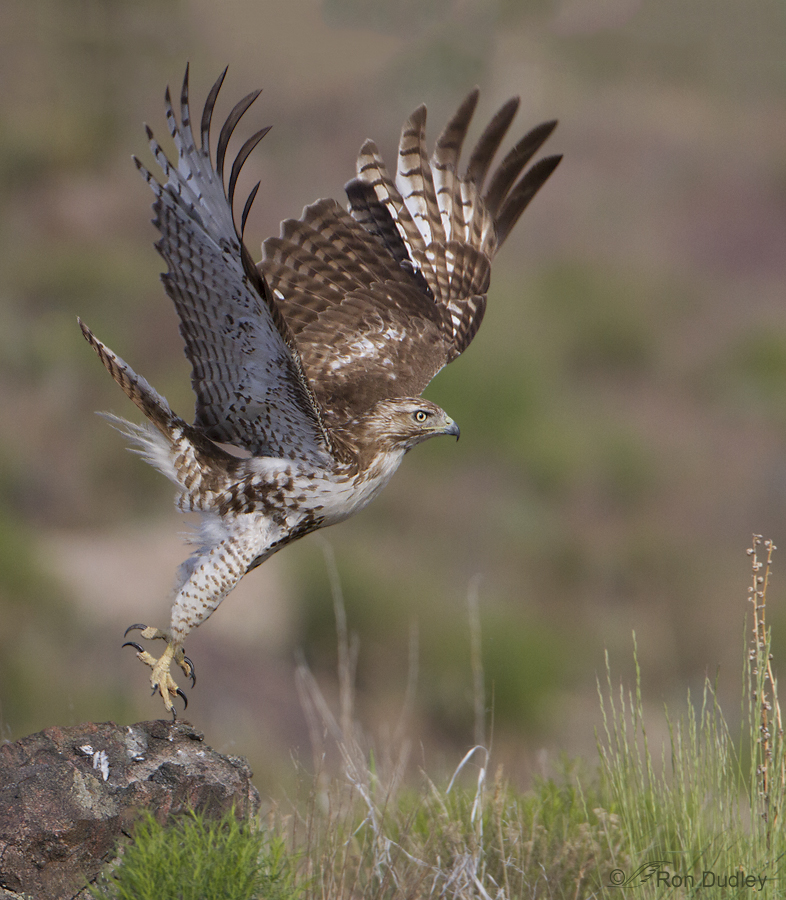
Yesterday we found this juvenile Red-tailed Hawk perched on one of the darker Farmington Canyon Complex rocks on Antelope Island. I thought the generally light coloration of this bird to be slightly unusual but I’m certainly no expert on the color phases and morphs of this highly variable species.
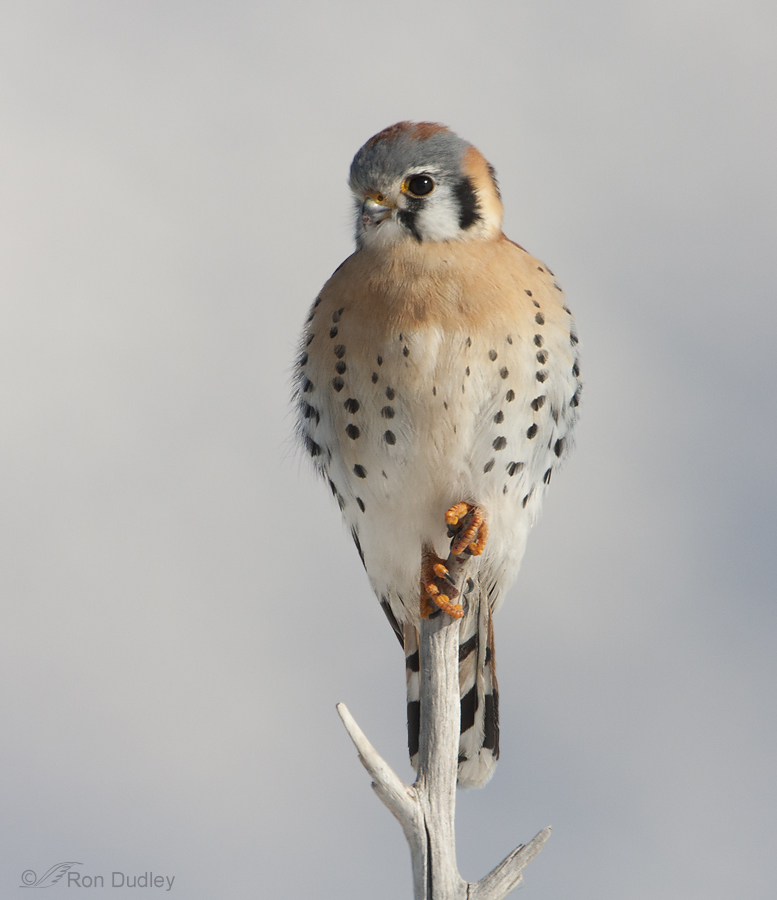
I’ve never before posted this image because of the “imperfection” of the peeling beak tip of this male American Kestrel. Bird beaks are largely composed of the protein keratin and like our fingernails are constantly growing. This can apparently cause flaking or peeling of the beak but I don’t understand why and so far internet research hasn’t provided the answer.
Every bird photographer has horror stories about potentially great opportunities with birds that were ruined to some degree or another by miserable shooting conditions. Well I met my match on my recent trip to Flaming Gorge.
We returned home Thursday after spending three wonderful days camping at Flaming Gorge in NE Utah. This is very close to the view we had on most mornings from our campsites (two of them), though this image was taken the morning before the Osprey photo, below. As you’ll see, the lighting conditions were dramatically different…
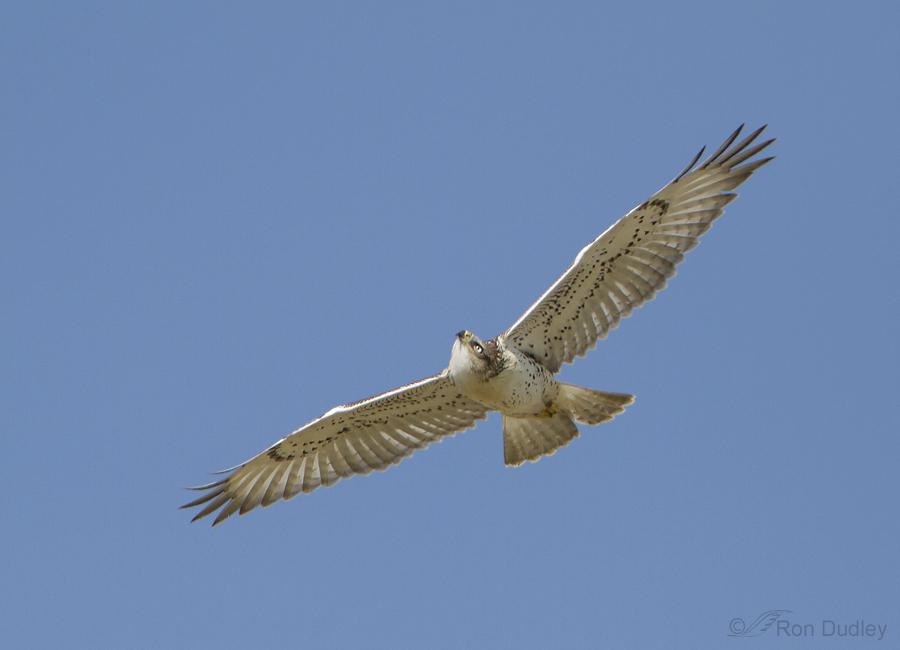
I don’t often get close enough to Ferruginous Hawks for decent photos but this one seemed curious about me and flew in just close enough.