



Mating Black-necked Stilts
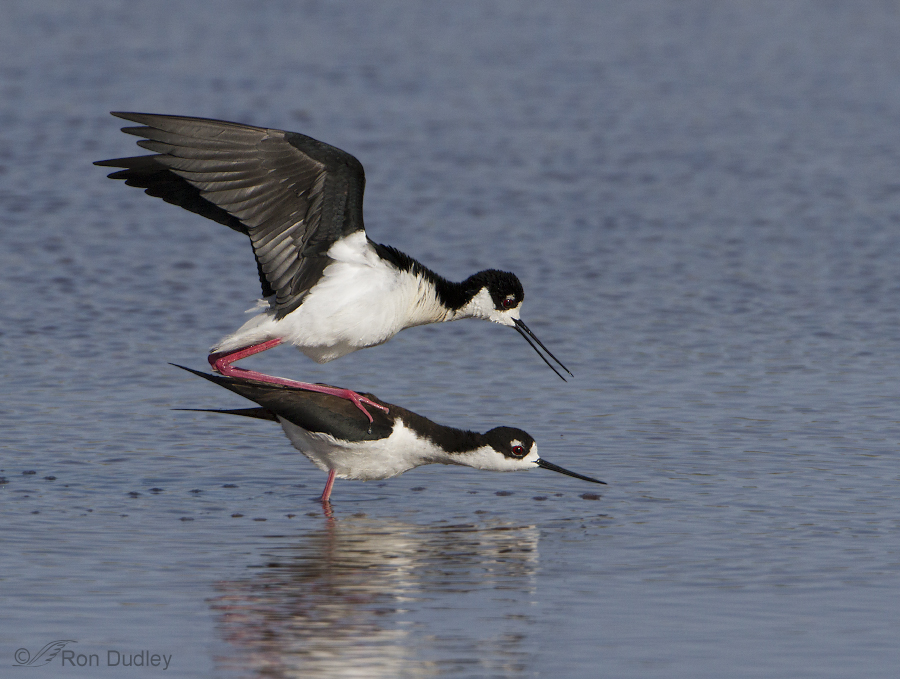
On a recent trip to Bear River Bird Refuge we were photographing American Avocets when I noticed some tell-tale preliminary behavior from a pair of Black-necked Stilts that told me that mating was imminent. So I set up on them and quickly changed my settings for more depth of field and almost immediately the action began.
Ferruginous Hawk In Flight
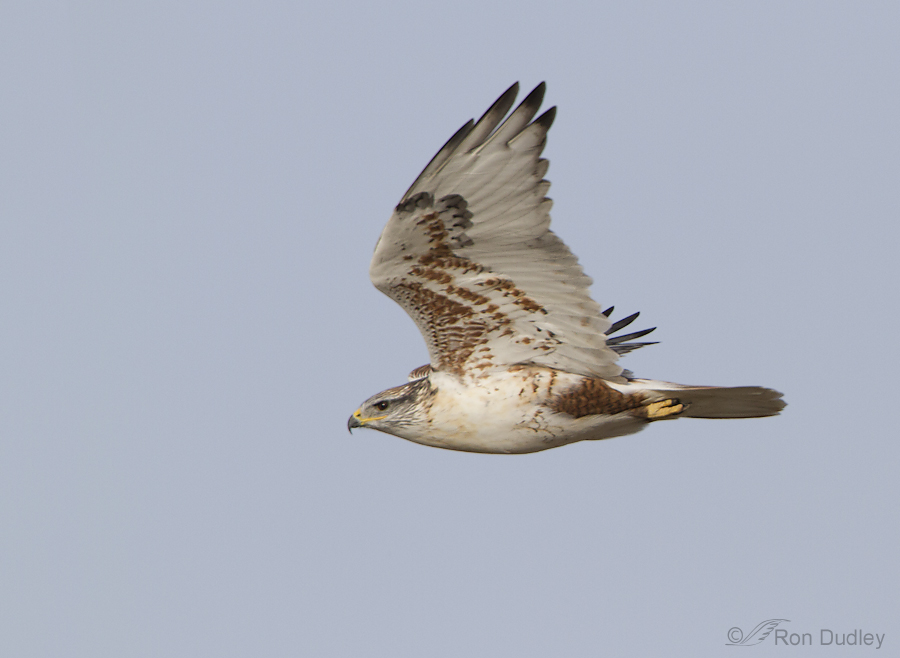
The Ferruginous Hawk has been called “the largest, most powerful, and grandest of our buteos, a truly regal bird” – an assessment I fully agree with.
Black-billed Magpie Fledglings
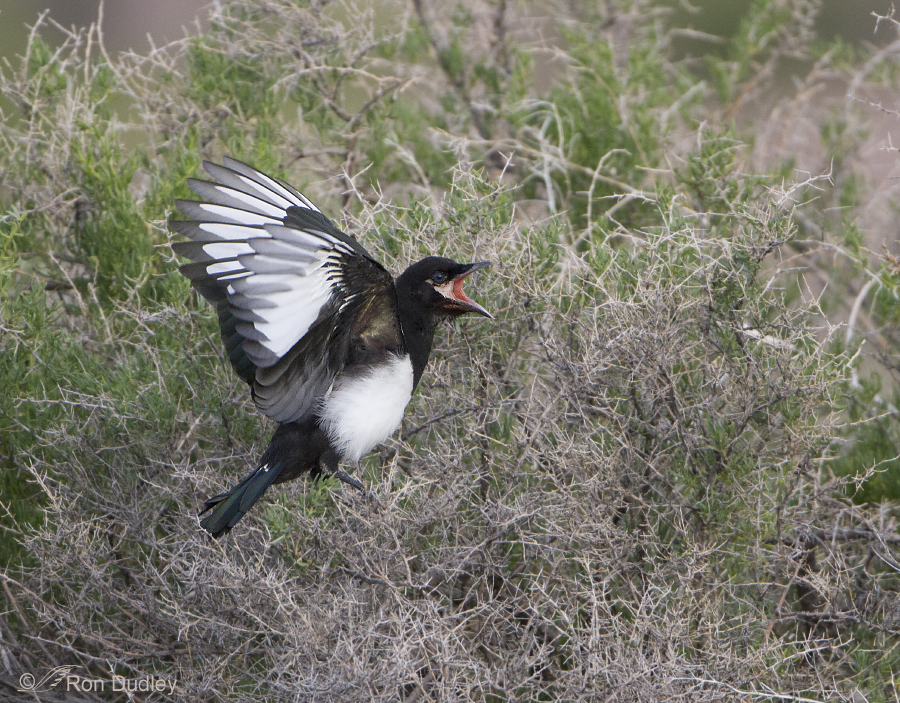
I’ve been watching a Black-billed Magpie nest in a greasewood bush on Antelope Island all spring but the adults are very spooky and always fly off as I approach (the nest is very near a road and I stay in my vehicle on the road). But I’ve been looking forward to seeing the fledglings and I finally got a good look at all five of them last week.
Barn Owl Update
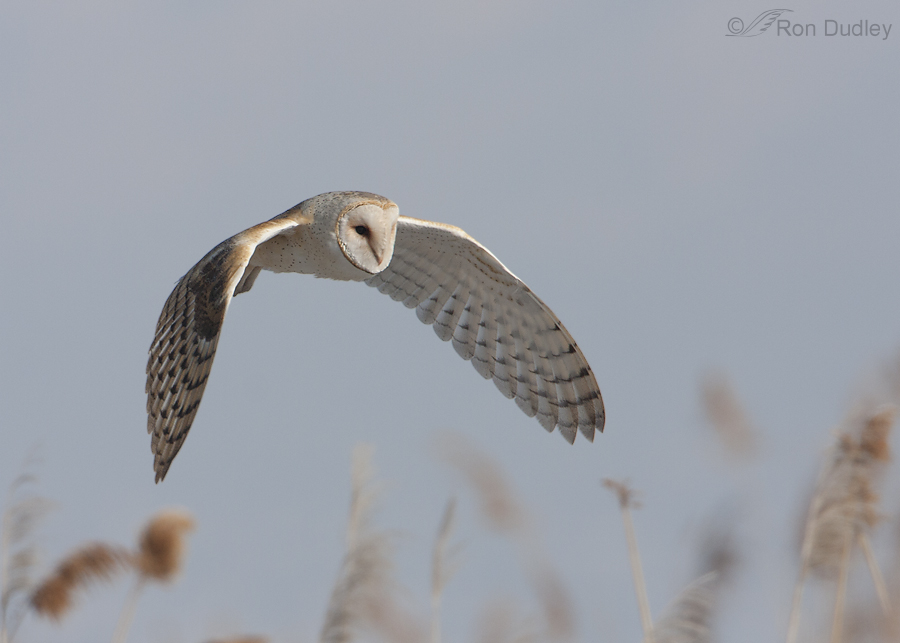
A few weeks ago I reported a Glimmer of Hope for our Barn Owls. It turns out I was overly optimistic and I felt like I should update the situation.
Lark Sparrow – Natural vs Unnatural Perches
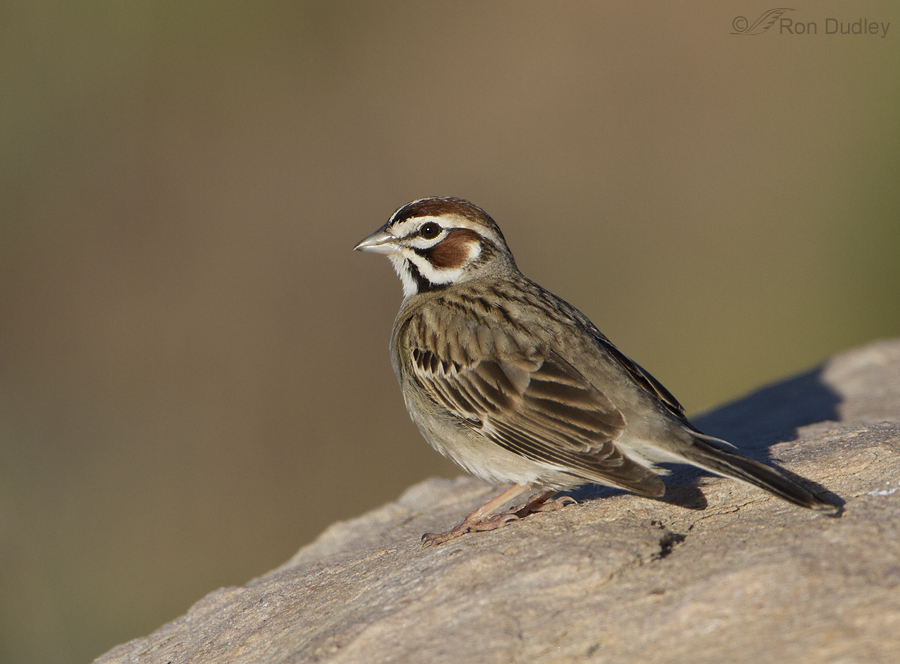
Many folks just don’t like unnatural perches. When it comes to nature photography they prefer that no sign of the “hand of man” be apparent in the image. To others the perch doesn’t matter much as long as the bird (subject) is presented in an appealing manner.
I guess I’m somewhere in the middle.
Coyotes Like Eggs For Breakfast Too
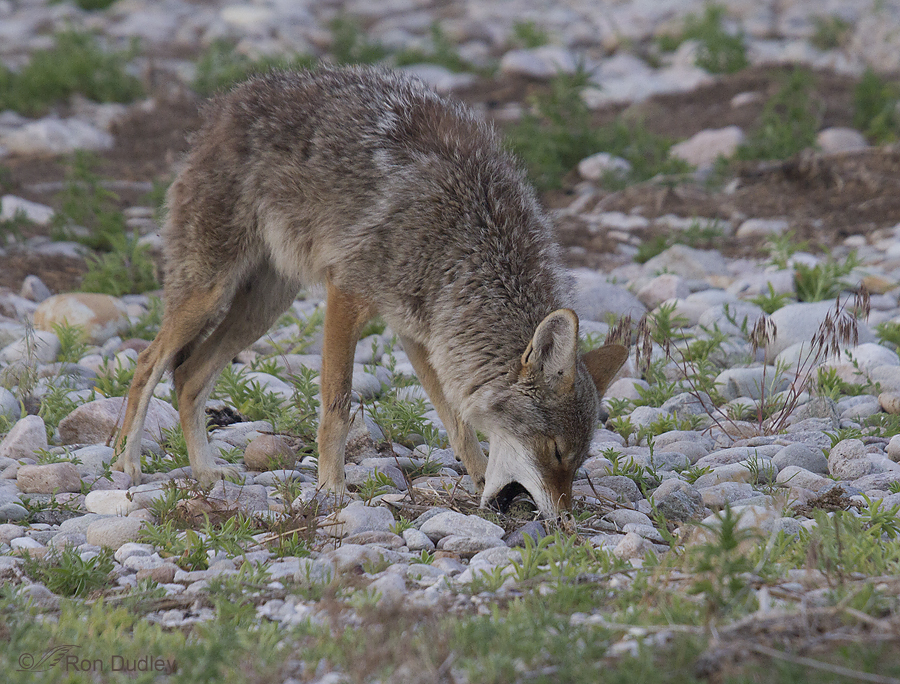
At 5:30 yesterday morning Mia and I almost decided to stay home rather than make the hour-long drive to Antelope Island because the area up north looked to be socked in with clouds (the “Farmington Curse” I’ve mentioned before) but after we picked up our traditional “shooting breakfast” (chocolate donuts) we chose to take our chances and go anyway – a choice I’m glad we made.
Golden Eagle In Flight
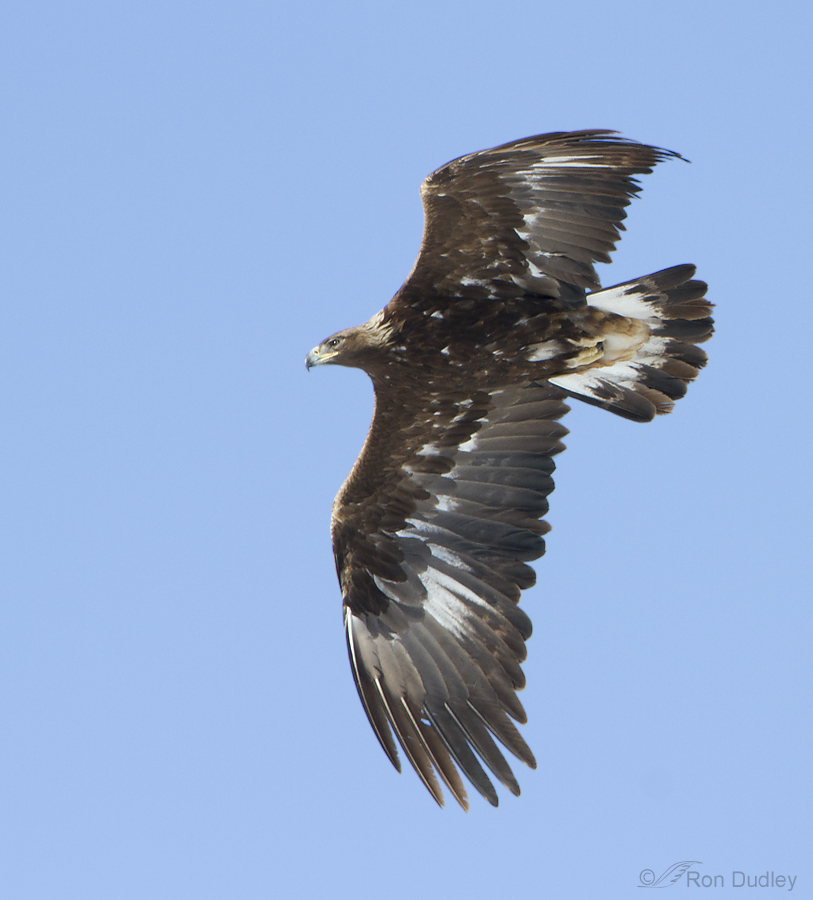
The Golden Eagle has long been a nemesis species for me. Over the years I’ve had a handful of potentially spectacular opportunities with these birds but something has always gone wrong.
Red-tailed Hawk – A Twisting Take-off After Prey
The sturdy, broad-winged buteos tend to be large raptors with correspondingly slower movements than most smaller birds. Most of the time when I’m watching them they’re hunting from an elevated perch or soaring overhead and in neither situation do they typically demonstrate much quickness or agility.
But they can put on quite the show when they need to.
Male Osprey Landing At Nest
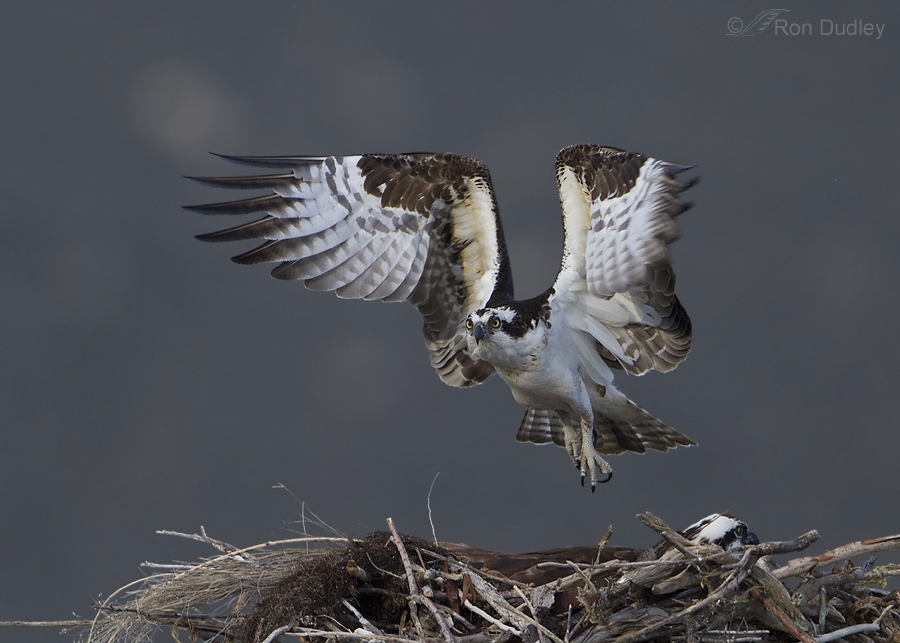
This is the nesting pair of Ospreys I photographed at Flaming Gorge, Utah two weeks ago today. The male was coming in for a landing to relieve the female on the eggs. The dark background was a deeply shaded mountain to contrast the bird that had a little more light on it.
Oolitic Sand – The Perfect Idiot Trap
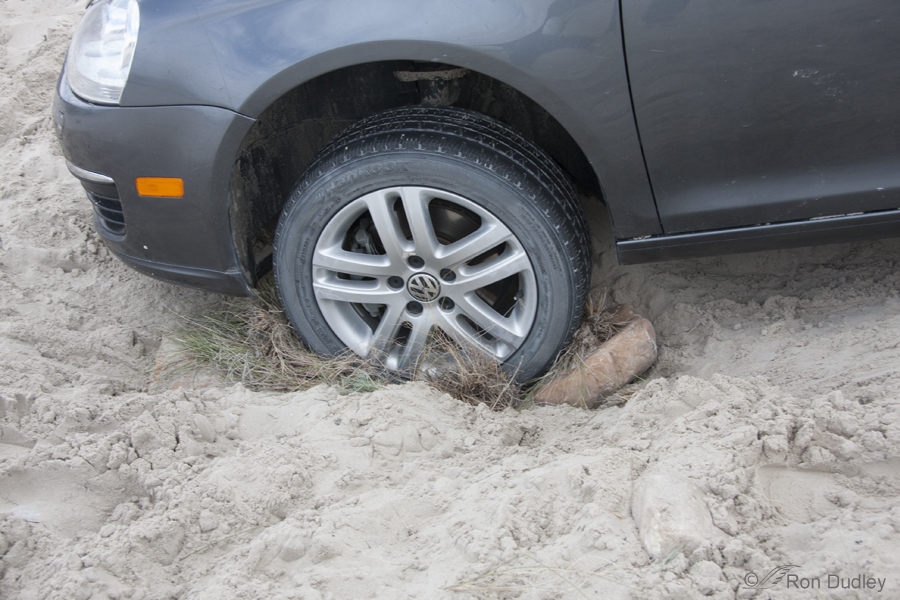
There’ll be no birds in today’s post, I’m afraid. It takes me an hour to get to the island from my home and it’s not unusual for me to have clear skies when I leave much before dawn and then have it be mostly socked in when I arrive at the Farmington Bay/Antelope Island area – a phenomenon I refer to as the “Farmington Curse”. That’s exactly what happened yesterday morning so I generally had poor light and got correspondingly low quality photos, which I deleted.
The only saving grace of the morning was some karmic justice I observed on the island.